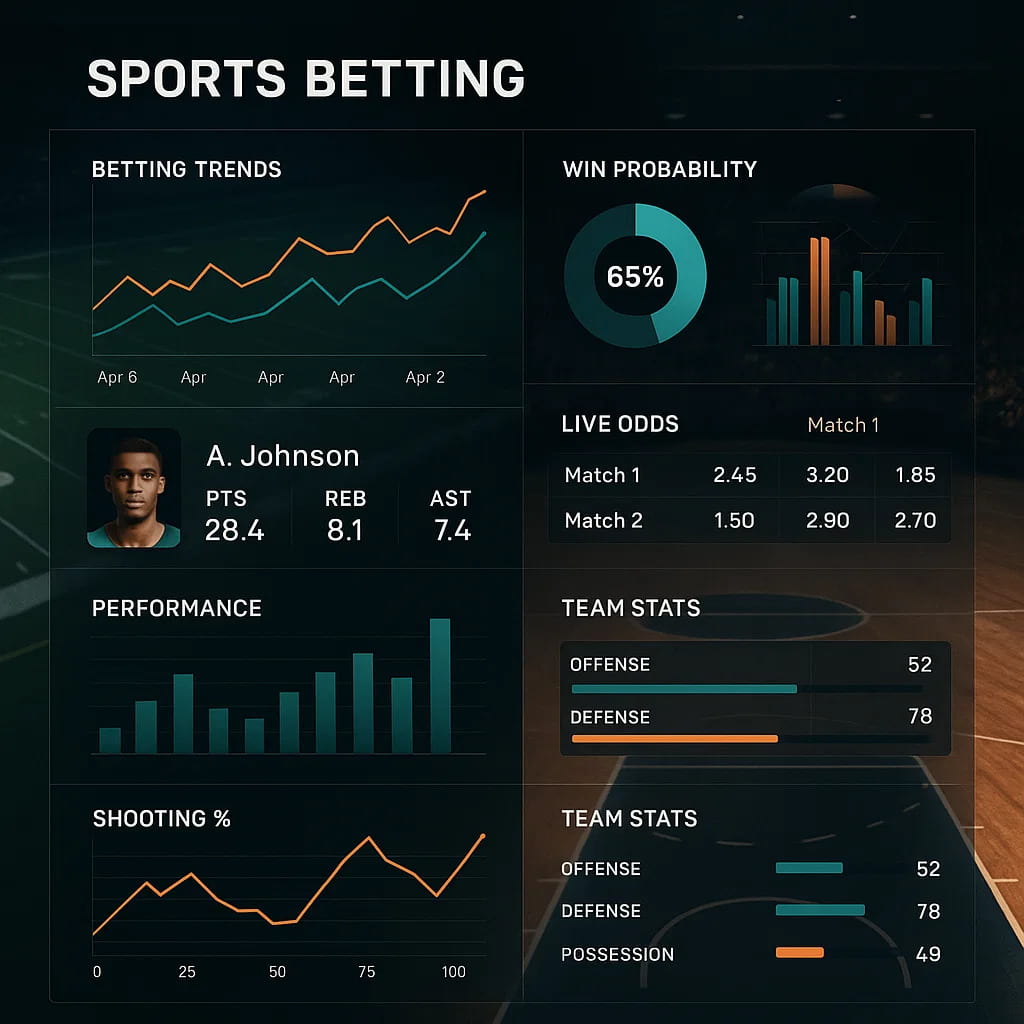
Sports betting is often framed around odds, statistics, and predictive models, yet the psychological dimension is equally critical for long-term success. On modern digital platforms offering both sports betting and online casino experiences, decision-making is shaped not only by data but also by emotions. From the moment users access the platform through the multichannel bet login, they bring expectations, biases, and emotional states that influence how bets are placed.
Understanding this psychological layer is essential, as emotional awareness helps bettors transition from impulsive reactions to structured, rational wagering behavior.
The Psychological Side of Sports Betting
At its core, sports betting activates the brain’s reward system, creating anticipation before results are known. While this anticipation can sharpen focus, it may also distort judgment when emotions outweigh logic.
Bettors often fall into confirmation bias, selectively interpreting information that supports their predictions while dismissing contradictory signals. Over time, these cognitive patterns can result in repeated mistakes, especially when emotional investment supersedes objective analysis.
Common Emotions Experienced after Multichannel Bet Login

After completing the multichannel bet login, bettors frequently experience a range of emotions, including excitement, anxiety, confidence, and frustration.
Winning generates euphoria, reinforcing betting behavior, while losses may trigger disappointment or urgency to recover funds.
Although these reactions are natural, unmanaged emotions can lead to rushed decisions or unplanned wagers. Recognizing emotional patterns is the first step toward maintaining control over betting outcomes.
The Impact of Winning and Losing Streaks
Winning streaks often create overconfidence, prompting bettors to increase stakes or overlook risk management principles. The belief that success will continue can impair critical evaluation of odds and match conditions.
Conversely, losing streaks may provoke frustration and desperation, driving bettors to chase losses rather than pause and reassess strategy. Both extremes compromise rational judgment and heighten exposure to unnecessary risk within sports betting environments.
Practical Strategies for Managing Emotions
Effective emotional control begins with predefined betting plans that include bankroll limits and betting criteria. These guidelines act as safeguards when emotions intensify. Additional strategies include:
- Taking breaks after significant wins or losses to reset perspective.
- Maintaining betting records to introduce accountability and enable objective performance review.
- Focusing on data-driven decisions over instinctive reactions to short-term outcomes.
By implementing these measures, bettors reduce impulsive behavior and maintain consistency across events.
Why Emotional Discipline Drives Long-Term Success?
Sustainable success in sports betting is built on consistency rather than short-term excitement. Emotional discipline allows bettors to apply strategies evenly across different outcomes and market conditions. Various online sports betting and casino sites reward patience and informed decision-making, prioritizing structured engagement over impulsive actions.
Managing emotions effectively safeguards both financial resources and the overall betting experience, ensuring that participation remains enjoyable and controlled.
Control on Emotions over Winnings and Losses
In today’s digital sports betting landscape, psychological awareness is as important as statistical knowledge. The experience that begins with a multichannel bet login goes beyond market access and bet placement, it requires understanding personal reactions to uncertainty, wins, and losses.
By prioritizing emotional control and structured decision-making, bettors can enjoy a more stable, informed, and rewarding approach to sports betting, positioning themselves for consistent success in the modern betting environment.